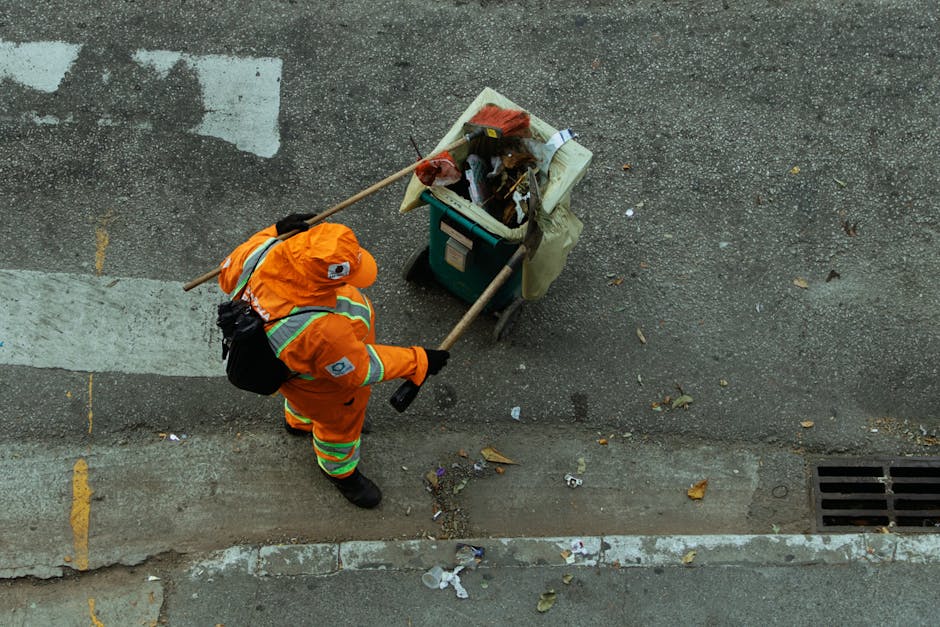
Islington Council rules for cleaning waste and disposal: a practical guide for homes, landlords, and local businesses
If you have ever finished a deep clean and then stared at a pile of bagged rubbish, old packaging, broken fittings, or a suspiciously heavy bin liner, you will know the awkward part starts after the cleaning. The Islington Council rules for cleaning waste and disposal are there to help keep streets tidy, protect health, and make sure waste is handled properly, but the details can feel a bit muddled when you are dealing with a real mess. Truth be told, most people are not unsure about cleaning itself; it is the disposal bit that causes the headache.
This guide breaks the topic down in plain English. You will learn what the rules mean in day-to-day terms, how to stay on the right side of local expectations, what to do with different waste types, and how to avoid the small mistakes that can lead to fly-tipping, contaminated recycling, or unnecessary delays. It is written for residents, landlords, tenants, business owners, and anyone booking a professional clean in Islington.
Why Islington Council rules for cleaning waste and disposal matters
Waste disposal is not just a tidy-up task. In a borough like Islington, where homes, shared entrances, narrow streets, flats, and busy commercial premises all sit close together, one person's "I'll sort it later" can quickly become everyone else's problem. Bags left out too early, cardboard dumped beside overflowing bins, or cleaning waste mixed with recyclables can attract pests, create smells, and make a small job feel far bigger than it should.
The core idea behind the rules is simple: put the right waste in the right place, at the right time, in the right container. That sounds obvious, but in practice there are lots of grey areas. For example, after a move-out clean, you may be left with black bags of general waste, old sponges, broken hangers, food packaging, empty bottles, and maybe a mattress or other bulky item. Not everything can go into the same bin. Some items need recycling, some need special handling, and some need arranging collection separately.
For residents, the benefit is a cleaner building and fewer complaints from neighbours or managing agents. For landlords and letting agents, it can help avoid deposit disputes and inspection issues. For businesses, it is part of good housekeeping and, in many cases, a basic operational risk issue. Let's face it: a spotless floor loses its shine fast if the bin area smells like last week's takeaway.
There is also a wider community angle. Correct waste handling reduces street clutter, lowers the chances of blocked bin stores, and helps recycling streams stay usable. That last point matters more than people think. If recycling gets contaminated with food waste or mixed up with cleaning chemicals, the whole batch may become harder to process.
How Islington Council rules for cleaning waste and disposal works
At ground level, the system is about separation, timing, and collection. Most domestic and commercial premises in Islington will rely on the normal waste and recycling arrangements provided for the property, but the exact setup can vary depending on the building type, bin capacity, and whether you are dealing with a house, flat, communal block, or business unit.
The practical workflow usually looks like this:
- Sort the waste into general rubbish, recycling, and any special items that should not go into standard bins.
- Keep cleaning waste separate from food waste or recyclable packaging where possible, especially if chemicals, cloths, or disposable pads are involved.
- Use the correct bins or containers provided for the property or arranged through a licensed waste route where needed.
- Follow collection timing so bags are not left on the pavement for longer than necessary.
- Arrange bulky or specialist disposal for items like mattresses, builders' debris, or damaged furniture.
That sounds neat on paper. Real life is a touch messier. A deep clean after a tenancy, for instance, may uncover old food containers in the kitchen, dust and debris under white goods, and abandoned household items in cupboards. If you are cleaning a property at the end of a tenancy, this is where end of tenancy cleaning and move out cleaning often overlap with waste management more than people expect. It is not only about scrubbing surfaces; it is about leaving the property clear, safe, and ready for the next person.
For commercial spaces, there is usually a sharper need to manage packaging, food-related waste, office paper, and confidential material separately. If you are running a workplace, office cleaning or commercial cleaning is often most effective when it is paired with a clear disposal routine. In a busy office, a good system prevents bin overflow by Friday afternoon. You know the scene: one overfilled caddy, one coffee spill, and suddenly everyone is pretending they "don't know whose cup that was."
Professional cleaners usually work to a client's bin policy and site instructions. For example, if a building has a shared bin store, the team should not leave rubbish loose in communal corridors. If a property has recycling cages or wheelie bins, cleaners need to place waste in the correct one and avoid overfilling lids. In shared housing and blocks, this is especially important because one misplaced bag can trigger complaints very quickly.
Key Benefits and practical advantages
Following local waste and disposal expectations is not just about avoiding trouble. It can actually make cleaning more efficient and less stressful. When waste is handled properly, the whole clean feels calmer. No backtracking, no bin-store drama, no "we'll just leave it by the wall for now" that somehow turns into a three-day problem.
- Cleaner surroundings: waste is removed in a way that keeps kitchens, hallways, gardens, and bin stores tidier.
- Lower contamination risk: recyclable materials stay cleaner and are less likely to be rejected.
- Fewer complaints: neighbours and residents are less likely to be affected by smells, pests, or fly-tipping concerns.
- Better compliance: you reduce the risk of ignoring building rules, tenancy conditions, or local disposal expectations.
- Smoother handovers: landlords, agents, and tenants benefit from a property that is genuinely ready for inspection or occupation.
There is also a reputational benefit for businesses. A clean workplace with tidy disposal practices gives the impression of order, care, and reliability. That matters whether you manage a salon, a small office, or a short-let property. If you deal with guests or clients, even a partly full bin can spoil a polished impression. People notice these things. They always do.
For local households, the biggest practical advantage is simpler day-to-day living. Once waste is organised properly, weekly cleaning becomes easier. In a house with children, pets, or shift-working adults, that can save a surprising amount of time and friction.
Who This Is For and When It Makes Sense
This topic applies to more people than you might first think. It is not only for council officers or waste contractors. If you live, work, rent, manage, or clean property in Islington, the rules and expectations around disposal can affect your routine.
- Homeowners and tenants: when clearing household rubbish, recycling, or post-clean waste.
- Landlords and letting agents: when preparing properties between occupancies.
- Business owners: when managing routine cleaning waste, packaging, or office rubbish.
- Property managers: when maintaining communal bin areas and shared access routes.
- Professional cleaners: when removing waste generated during domestic, deep, or specialist cleans.
It especially makes sense to think about these rules in the following situations:
- after a major declutter or spring clean
- after builders or refurbishment work
- when moving in or moving out
- after an Airbnb turnover or short-let changeover
- when a property has been vacant and needs a full reset
- when communal areas are being cleaned and bin stores need attention
If that sounds familiar, you are not alone. Many people only think about waste disposal once the mess is already sitting there. A better approach is to plan the disposal side before the clean starts. It keeps the job flowing, and frankly, it saves a lot of faffing about later.
Step-by-Step Guidance
Here is a practical way to approach waste and disposal without overcomplicating it. Keep it simple, keep it safe, and work from the waste outwards rather than the other way around.
1. Identify the waste types first
Before you start bagging everything together, look at what you actually have. Is it mainly general waste, recyclable packaging, food waste, empty cleaning product containers, broken household items, or bulky waste? Different items need different handling, and this first check prevents messy sorting later.
2. Separate reusable, recyclable, and residual waste
Reusable items should be set aside before they become rubbish. Recyclable cardboard, paper, metal cans, and some plastics should be kept clean where possible. Residual waste is the stuff that cannot reasonably be recycled or reused. If you mix all three together, you make the job harder for yourself and for the people who have to handle it next.
3. Keep hazardous or specialist items apart
Some items should never be treated like normal rubbish. Think of leftover paint, chemicals, sharps, batteries, large quantities of broken glass, or heavily contaminated cloths. If you are unsure, do not guess. Set them aside and handle them separately. A small mistake here can create a bigger safety issue than people expect.
4. Bag and secure waste properly
Use sturdy bags and do not overfill them. Broken bags on a pavement or in a shared corridor are a nuisance and a hazard. If the waste is sharp, damp, or heavy, double-bagging may be sensible. That said, do not make bags so heavy that they split the moment you lift them. We have all seen that moment, and nobody enjoys it.
5. Place waste in the correct collection point
Use the property's designated bins, bin store, or collection point. If the property has communal arrangements, follow them carefully. Avoid leaving bags in hallways, front gardens, or beside full bins unless the building rules specifically allow it, which many do not.
6. Arrange bulky or special collection where needed
For larger items like old mattresses, damaged furniture, or renovation debris, normal bins are not the answer. These items often need separate collection or a specialist disposal route. This is where a proper plan helps. For example, after a room refresh, a cleaner may remove dust and packaging while a separate bulky-item arrangement handles the old furniture. If you are tackling furnishings too, services such as mattress cleaning, sofa cleaning, or upholstery cleaning can sometimes reduce the amount of waste you need to dispose of in the first place.
7. Finish with a final check
Walk through the property once more. Check under sinks, behind appliances, and in corners where loose waste tends to hide. This final sweep is tiny, but it makes a real difference. A single forgotten bag in a cupboard can undo an otherwise tidy handover.
Expert Tips for Better Results
Over time, the best waste routines tend to be the boring ones. Consistent, clear, and easy for everyone to follow. The clever trick is not to make the system fancy. It is to make it obvious.
- Label waste zones in shared properties. A quick sign near a bin store can stop a surprising amount of confusion.
- Use the right clean for the right task. A one-off deep clear-out may need a different approach from regular weekly maintenance. If you want a deeper reset, deep cleaning often pairs well with disposal planning.
- Build disposal into the cleaning quote. It is easier to price and schedule correctly when waste is discussed upfront. You can see how that is handled through pricing and quotes.
- Keep cleaning chemicals separate from food containers. Even empty bottles can be a problem if residue is left inside.
- Plan around collection days. If a clean finishes late on a Friday, it may be smarter to avoid leaving anything awkward out until the next scheduled collection.
- For shared blocks, coordinate with neighbours or managing agents. One person's waste plan affects the whole building.
A useful rule of thumb: if an item feels awkward to lift, smells odd, leaks, or looks like it needs a second thought, treat it as a separate category. That tiny pause can save a messy mistake.
For hospitality and short-let settings, the waste side of cleaning needs even tighter control. After guests leave, you might have food packaging, toiletries, broken glass, or bedding waste. In those cases, Airbnb cleaning and one-off cleaning are often at their best when waste removal is clearly built into the handover process.
Common Mistakes to Avoid
Most waste problems are not dramatic. They are just small errors repeated often enough to become a nuisance. Here are the ones that tend to cause the most trouble.
- Mixing all waste together: this is the classic error. It makes recycling harder and can breach building expectations.
- Leaving bags outside too early: especially in front gardens, shared walkways, or on the pavement before collection time.
- Ignoring bulky items: old furniture and large items do not magically disappear. Shame, really.
- Overfilling bins: if the lid will not close, the waste is already becoming someone else's problem.
- Putting the wrong items in recycling: food-stained packaging or contaminated materials can spoil a recycling load.
- Forgetting hidden waste: drawers, cupboards, balconies, and under-bed spaces often hold the last bits of rubbish.
- Assuming the same rules apply everywhere: houses, flats, communal buildings, and businesses may all work differently.
One subtle mistake people make is treating disposal as an afterthought. It is not. It sits right alongside the cleaning itself, especially in end-of-tenancy work or after renovation. If the property is left immaculate but the bin area is chaotic, the overall impression can still be poor.
Tools, Resources and Recommendations
You do not need a warehouse of kit to handle waste properly, but a few practical tools make life much easier:
- Heavy-duty bin bags: useful for general waste, but avoid overstuffing them.
- Recycling containers or boxes: helpful for keeping clean cardboard, paper, and packaging separate.
- Gloves: useful when handling unknown waste, damp waste, or sharp edges.
- Label stickers or markers: simple, but effective in shared households or workspaces.
- Dust sheets and sealable tubs: especially handy during after builders cleaning, where dust and debris are common.
For a professional or property management setup, it also helps to have a written waste routine. Nothing fancy. Just a short note on where waste goes, who checks the bins, and what needs special handling. A little dull, perhaps, but very useful. If you run a business, it may also be worth checking service details such as commercial cleaning or regular cleaning so waste tasks are built into the schedule rather than added awkwardly later.
If you want to understand the company approach to responsible handling and site awareness, it can also be helpful to review the business information available on about us, health and safety policy, insurance and safety, and recycling and sustainability. Those pages help show how waste handling fits into the wider service mindset.
Law, Compliance, Standards, or Best Practice
When people ask about Islington Council waste and disposal rules, they usually want two things: what is allowed, and what is the safest way to stay compliant. The exact arrangements can vary depending on the property and the waste type, so it is wise to treat any local guidance as site-specific rather than one-size-fits-all.
In general, the best-practice approach in the UK is straightforward:
- do not fly-tip or leave waste in unauthorised places
- keep recycling streams clean and uncontaminated where possible
- use appropriate disposal routes for bulky, hazardous, or specialist items
- store waste safely until collection
- follow tenancy, building, and landlord instructions where applicable
For professional cleaning work, there is also a duty of care mindset. Cleaners should not create a new hazard while removing an old one. That means sensible handling of bags, chemical containers, and sharp items, plus care in communal spaces. A good cleaner should know when to stop and escalate something that looks unsafe. That's not over-cautious; that is just good practice.
If you are a tenant, check your tenancy terms and building rules before putting anything out. If you are a landlord or managing agent, make the disposal route clear in advance, especially for move-outs. And if you are running a business, keep your waste process simple enough that staff can follow it on a busy day without guesswork. Guesswork is where trouble likes to hide.
Options, Methods, or Comparison Table
The best disposal method depends on the waste type, property setup, and how quickly the waste needs to leave the site. The table below gives a practical comparison of common approaches.
| Method | Best for | Strengths | Limitations |
|---|---|---|---|
| Standard household bins | General daily waste and routine recycling | Simple, familiar, usually the easiest option | Not suitable for bulky or specialist waste |
| Communal bin stores | Flats, HMOs, managed blocks, shared buildings | Efficient for multiple households | Can overflow quickly if not managed carefully |
| Separate recycling sorting | Cardboard, paper, cans, clean packaging | Supports cleaner recycling streams | Contamination reduces effectiveness |
| Bulky-item disposal | Mattresses, furniture, large clear-outs | Proper route for larger objects | Needs planning and may not be immediate |
| Professional clean with disposal support | End of tenancy, builders' residue, deep cleans, busy commercial sites | Convenient, structured, less stress for the client | Requires clear scope and site instructions |
In practice, many people use a mix of methods. A flat clearance may involve normal bins for everyday rubbish, recycling separation for packaging, and a separate route for a bulky item. That blended approach is often the most realistic one.
Case Study or Real-World Example
Here is a typical local scenario. A tenant is moving out of a one-bedroom flat in Islington on a wet Tuesday morning. The cleaner arrives to find the kitchen mostly clear, but there are a few leftover food containers, empty detergent bottles, shredded packaging from a flat-pack shelf, and an old mattress still in the bedroom.
The sensible approach is not to throw everything into the nearest bin and hope for the best. Instead, the cleaner separates the cardboard, checks which bottles are recyclable, bags the food-related rubbish as residual waste, and leaves the mattress for a proper bulky-item route. If the flat has a communal bin store, the waste is taken there neatly, not left in the hallway. The result is simple: the property looks ready, the building stays tidy, and the move-out process feels much less chaotic.
In a commercial setting, the same logic applies. Picture a small office after a refit. There is dust from the work, packaging from new chairs, and an overfull recycling bin from the previous week. If the cleaning team clears the debris, sorts the recyclable material, and avoids leaving anything in common areas, the office can reopen faster and with fewer complaints. Small details. Big difference.
If the property also needs a freshen-up before new occupants arrive, services like move in cleaning, domestic cleaning, house cleaning, or window cleaning can fit neatly into the same overall plan. That way, disposal and presentation are handled together, which is usually the least stressful option.
Practical Checklist
Use this quick checklist before, during, or after a clean:
- Have I identified all waste types in the property?
- Are recycling, general waste, and bulky items separated?
- Have I checked for anything hazardous, sharp, or leaking?
- Do I know where the correct bins or collection points are?
- Have I confirmed any communal building rules or tenancy instructions?
- Are all bags secure and not overfilled?
- Have I avoided leaving waste in corridors, front gardens, or public areas?
- Do bulky items need a separate arrangement?
- Have I done a final sweep of cupboards, under furniture, and hidden corners?
- Is the site left clear, safe, and ready for the next stage?
If you can tick off most of those points, you are usually in a good place. Not perfect, maybe. But good enough to avoid the common problems, and that is often what matters most.
Get a free quote today and see how much you can save.
Conclusion
Understanding Islington Council rules for cleaning waste and disposal is really about reducing friction. It helps you avoid contamination, keep shared spaces tidy, and handle rubbish in a way that makes sense for the property and the people using it. Once you have a clear system, the whole process becomes much less stressful.
Whether you are preparing a tenancy, cleaning a home, managing an office, or handling a one-off clear-out, the winning formula is the same: sort it properly, store it safely, and dispose of it in the right way. Small actions, repeated consistently, do the job well. That is usually how the best local routines work.
And if you are ever standing there with a mop in one hand and a mystery bag in the other, take a breath. The right disposal decision is usually the calm, sensible one.
Frequently Asked Questions
What do Islington Council rules for cleaning waste and disposal usually cover?
They usually cover how household, communal, and commercial waste should be sorted, stored, and presented for collection, plus how to handle bulky or unusual items safely.
Can cleaning waste go into the normal rubbish bin?
Sometimes yes, but only if it is suitable general waste. Dirty cloths, food residue, and broken disposable items may go in general waste, while recyclable or special items should be separated.
What should I do with bulky waste after a clean?
Bulky waste such as mattresses, furniture, or large broken items usually needs a separate disposal arrangement rather than a standard bin. Plan that part early so it does not sit around for days.
Do cleaners need to take waste away with them?
That depends on the service scope and the property rules. In many cases, cleaners place waste in the client's designated bins or collection points, but removal beyond that may need to be arranged separately.
How do I avoid recycling contamination during cleaning?
Keep recyclables clean and separate from food, liquids, and chemical residue. If packaging is heavily soiled, it may need to go in general waste instead.
What happens if bags are left out too early?
They can attract pests, create smells, block pathways, or breach building rules. In shared areas, it can also lead to complaints from neighbours or management.
Is waste disposal different for end of tenancy cleaning?
Yes, often it is. End of tenancy jobs commonly uncover leftovers, abandoned items, and hidden rubbish, so disposal planning is a bigger part of the process than in routine cleaning.
What is the safest way to deal with sharp or broken items?
Handle them carefully, secure them in strong packaging or double bags where appropriate, and keep them separate from ordinary waste. If something seems risky, do not force it into a normal bag.
Can communal bins be overfilled if there is no space?
Not ideally. Overflowing bins cause problems quickly, especially in blocks and shared buildings. If the bin system is full, it is usually better to arrange collection properly than leave waste beside the bins.
How can I make waste disposal easier during a deep clean?
Sort items as you go, keep separate bags for recyclables and residual waste, and decide in advance what counts as bulky or specialist disposal. A little preparation saves a lot of sorting later.
Are there rules for waste in office cleaning?
Yes. Offices should separate paper, packaging, food waste, and general rubbish where possible, and they should avoid leaving waste in communal corridors or shared spaces. A simple routine is usually the best one.
What if I am not sure whether an item can be recycled?
If you are unsure, do not guess. Put it aside, check the property instructions, or treat it as general waste if the item is contaminated. Guessing is where things go sideways, usually at the worst possible moment.
How do professional cleaners help with disposal rules?
They help by sorting waste properly, following site instructions, and keeping the property clear and safe. Good cleaners also know when an item needs a separate disposal route rather than being bundled into the nearest bag.