Communal Area Cleaning: Keeping Shared Spaces Safe, Fresh, and Welcoming
Communal area cleaning plays a vital role in maintaining the appearance, hygiene, and comfort of shared environments. Whether it is an apartment building, office complex, school, hotel, or residential development, well-maintained common areas create a strong first impression and support the health and well-being of everyone who uses them. In today’s busy world, clean shared spaces are more than just visually appealing—they help reduce the spread of germs, improve safety, and contribute to a more pleasant everyday experience.
From entrance lobbies and hallways to stairwells, lifts, reception areas, and shared washrooms, communal area cleaning ensures that high-traffic spaces remain in excellent condition. These areas often accumulate dirt, dust, fingerprints, litter, and bacteria faster than private spaces because so many people pass through them every day. That is why a structured cleaning routine is essential for any property manager, landlord, business owner, or facilities team.
In this article, we will explore what communal area cleaning involves, why it matters, the best cleaning practices, and how professional cleaning services can make a meaningful difference. If you are responsible for shared property spaces, understanding the value of effective communal area cleaning can help you create a cleaner, safer, and more attractive environment for everyone.
What Is Communal Area Cleaning?
Communal area cleaning refers to the routine cleaning and maintenance of shared spaces used by multiple people. These are areas that are not privately owned or occupied by a single person, meaning they require consistent attention to ensure they stay hygienic and presentable. Typical communal areas include apartment hallways, entrances, staircases, elevators, corridors, mailrooms, communal kitchens, lobbies, and shared restrooms.
The purpose of communal area cleaning is not only to remove visible dirt but also to maintain a healthy environment. Shared areas can quickly become breeding grounds for bacteria and allergens if they are neglected. Dust settles on surfaces, spills can create slip hazards, and high-touch areas can transfer germs from one person to another. A dedicated cleaning schedule helps prevent these issues before they become serious problems.
Unlike basic spot cleaning, communal area cleaning usually follows a planned process tailored to the size, usage, and layout of the building. High-traffic areas may need daily attention, while less frequently used spaces may require weekly or periodic cleaning. The key is consistency, attention to detail, and the use of suitable cleaning methods for different surfaces.
Why Shared Spaces Need Special Attention
Shared spaces are exposed to a higher level of wear and tear than private rooms. People enter and leave constantly, bringing in dirt from outside, and touching doors, switches, handles, railings, and elevator buttons throughout the day. This means germs, dust, and grime build up much faster.
Good communal area cleaning protects the overall environment in several ways:
- It improves hygiene and reduces the spread of illness.
- It enhances the appearance of the property.
- It reduces complaints from residents, staff, or visitors.
- It helps prevent accidents caused by spills, debris, or clutter.
- It supports compliance with health and safety expectations.
When communal spaces are clean, people feel more comfortable using them. That positive experience reflects well on the building or organization as a whole.
Key Benefits of Communal Area Cleaning
There are many reasons why communal area cleaning should be treated as a priority. Clean shared spaces are not only attractive; they contribute to better living and working conditions. In residential buildings, they create a sense of pride and community. In commercial spaces, they improve professionalism and visitor perception.
One of the biggest benefits is health protection. Shared spaces often contain touchpoints that can spread bacteria and viruses. Regular disinfection of these surfaces can help reduce contamination and keep residents, employees, and guests safer. Clean floors, dust-free surfaces, and sanitized hand-contact points also improve indoor air quality and reduce allergens.
Another important benefit is safety. A tidy communal area reduces the chance of slips, trips, and falls. Removing debris, wiping spills immediately, and keeping stairwells clear are all essential parts of maintaining a safe environment. For older buildings, this can be especially important because uneven floors, poor lighting, and heavy traffic can increase risks.
How Communal Area Cleaning Improves Property Value
Property appearance matters. A clean and well-maintained communal area gives the impression that the building is properly managed and cared for. This can have a positive effect on tenant satisfaction, rental appeal, and even long-term property value. Prospective tenants and visitors often judge a building by the condition of its shared spaces before they ever see a private unit or office.
Clean communal spaces can help:
- Increase tenant retention.
- Support higher occupancy rates.
- Improve first impressions.
- Reduce maintenance issues caused by neglect.
- Extend the life of floors, fixtures, and furnishings.
When property managers invest in ongoing communal area cleaning, they are also protecting their assets. Dirt and grime can wear down surfaces over time, leading to costly repairs or replacements.
Common Areas That Need Regular Cleaning
Every property is different, but most shared environments have similar high-use zones that need regular cleaning. Knowing which areas require the most attention can help you develop an effective cleaning schedule that addresses the most visible and most frequently touched surfaces first.
Typical communal area cleaning zones include:
- Entrances and foyers
- Hallways and corridors
- Staircases and landings
- Elevators and lift lobbies
- Reception desks and waiting areas
- Shared kitchens and break rooms
- Toilets and washrooms
- Mailrooms and parcel areas
- Communal laundry rooms
- Outdoor shared entrances and walkways
Some of these areas require daily sweeping, mopping, and sanitizing, while others may need deeper periodic cleaning. The frequency depends on usage, the number of occupants, and the type of property. For example, a busy office building with hundreds of employees will require a more intensive cleaning routine than a small residential block with limited foot traffic.
High-Touch Surfaces Require Extra Care
In communal area cleaning, high-touch surfaces deserve special attention. These are the places people touch repeatedly throughout the day, often without thinking about it. Examples include handrails, door handles, light switches, elevator buttons, intercom panels, and reception counters.
Because these points can easily spread germs, they should be cleaned and disinfected more frequently than less-used surfaces. A professional cleaning plan should always prioritize these areas to reduce the risk of cross-contamination and help maintain a healthier environment for everyone.
Best Practices for Effective Communal Area Cleaning
Successful communal area cleaning depends on structure, consistency, and the right techniques. A random or occasional cleaning approach is usually not enough to keep shared spaces in good condition. Instead, a well-planned routine ensures that every area receives the attention it needs.
One of the first best practices is creating a cleaning schedule. This schedule should clearly outline which tasks are done daily, weekly, and monthly. For example, daily tasks may include sweeping, mopping, removing rubbish, disinfecting touchpoints, and checking washroom supplies. Weekly tasks may involve dusting higher surfaces, cleaning skirting boards, and polishing fixtures. Monthly or periodic tasks could include deep carpet cleaning, window washing, or machine scrubbing floors.
Using the right products is also essential. Different surfaces require different cleaning agents, and using the wrong one can damage materials or reduce effectiveness. For example, glass needs streak-free solutions, stainless steel may require specialized polish, and carpeted communal areas need vacuuming and stain treatment rather than standard floor cleaning products. Professional cleaning teams understand how to match methods and products to each surface.
Key Steps in a Strong Cleaning Routine
A high-quality communal area cleaning process usually includes the following steps:
- Remove waste and litter.
- Dust surfaces, ledges, and fixtures.
- Vacuum carpets and mats.
- Sweep and mop hard floors.
- Disinfect high-touch points.
- Clean mirrors, glass, and polished surfaces.
- Check and restock consumables where needed.
- Inspect for damage, stains, or maintenance issues.
It is equally important to use safe practices during cleaning. Warning signs should be placed near wet floors, cleaning chemicals should be stored securely, and staff should wear appropriate protective equipment when necessary. These small details help reduce risk while keeping the area clean and orderly.
The Role of Deep Cleaning
While everyday cleaning is necessary, deep cleaning adds another layer of protection. Deep cleaning reaches dirt and buildup that routine maintenance may miss. This can include scrubbing grout, removing stubborn marks from walls, shampooing carpets, and sanitizing hidden corners. Periodic deep cleaning keeps communal areas looking fresh and prevents long-term deterioration.
How Professional Communal Area Cleaning Services Help
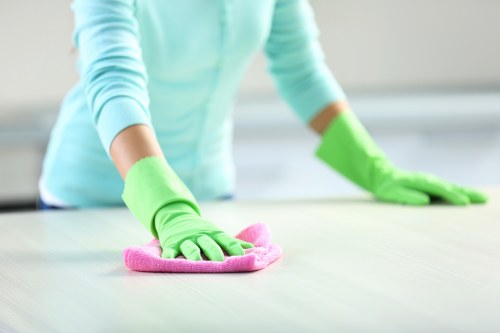
Many property managers and business owners choose professional communal area cleaning services because they offer reliability, expertise, and efficiency. Trained cleaners understand how to handle high-traffic areas, manage hygiene standards, and create a cleaning plan that suits the property’s needs. This can save time, reduce stress, and lead to better results.
Professional teams often bring their own equipment, tools, and cleaning products, which means they can tackle a wider range of tasks more effectively. They are also more likely to notice small issues before they become larger problems, such as leaks, broken fittings, or recurring stains. This adds value beyond simple cleaning.
Another advantage is flexibility. A service provider can tailor communal area cleaning schedules around the needs of the building. For example, cleaning can be arranged early in the morning, late at night, or during low-traffic hours to avoid disrupting residents, staff, or visitors. That convenience makes it much easier to maintain a clean environment consistently.
What to Expect from a Quality Cleaning Service
A reputable cleaning provider should offer:
- A customized cleaning plan
- Trained and insured staff
- Regular quality checks
- Clear communication and reliable scheduling
- Safe and suitable cleaning products
- Attention to detail in high-use and hidden areas
Choosing the right provider matters because not all cleaning services offer the same level of care. The best results come from teams that understand the demands of communal area cleaning and can maintain high standards over time.
Why Consistency Matters
Even the best deep clean will not last long without consistent upkeep. Communal spaces need ongoing attention because new dirt and bacteria appear every day. Routine cleaning maintains standards between deep cleans and helps ensure that the property always feels cared for. In practical terms, consistency is what separates a truly clean environment from one that only looks clean occasionally.
Communal Area Cleaning in Residential Buildings
Residential properties present unique cleaning challenges because residents use shared spaces at different times and in different ways. Apartment blocks, housing complexes, and condominium buildings often have a mix of busy and quiet communal zones. Some residents may be coming and going throughout the day, while others use the building’s shared entrances, lifts, and staircases less frequently.
In these environments, communal area cleaning supports both hygiene and community pride. Residents are more likely to respect shared spaces when they are already clean and well kept. Clean hallways, shining floors, and tidy entrances help create a pleasant living experience and may encourage everyone to be more considerate about litter, noise, and shared facilities.
Residential cleaning often includes entrance mats, doors, mail areas, stair rails, elevator interiors, light switches, and notice boards. These areas can collect dust, fingerprints, cobwebs, and small amounts of rubbish very quickly. A regular cleaning schedule helps prevent complaints and ensures that the property stays presentable throughout the year.
Seasonal Challenges in Residential Cleaning
Different seasons can affect communal area cleaning in different ways. During wet weather, mud and moisture can be tracked indoors, making floors slippery and dirty. In colder months, salt and grit may be brought in from outside. In warmer seasons, dust and insects may become more noticeable. Adjusting the cleaning routine according to the season can help maintain better results.
Common seasonal priorities include:
- Extra floor cleaning during rainy periods.
- More frequent mat replacement or vacuuming.
- Additional dust removal in dry seasons.
- Enhanced disinfecting of shared touchpoints year-round.
By responding to seasonal conditions, property managers can keep the building safer and more comfortable for all residents.
Communal Area Cleaning in Commercial Properties
Commercial properties have their own set of expectations when it comes to communal area cleaning. Offices, retail centers, business parks, and mixed-use buildings often experience a constant flow of employees, clients, suppliers, and visitors. In these settings, appearance and hygiene directly affect the professional image of the business.
Reception areas, meeting room corridors, shared restrooms, break rooms, and elevator lobbies are all part of the visitor experience. If these areas are dusty, cluttered, or unpleasant, it can reflect poorly on the company even if the private workspaces are immaculate. That is why many businesses invest in routine communal area cleaning as part of their facility management strategy.
Commercial cleaning often requires a balance between thoroughness and discretion. Cleaning teams must work efficiently without interrupting daily operations. This may involve low-noise equipment, carefully timed schedules, and careful coordination with building management. When done well, the results are noticeable without being disruptive.
The Link Between Cleanliness and Productivity
There is also a connection between cleanliness and productivity. Employees are more likely to feel comfortable and focused in a clean environment. Shared kitchens and break rooms, for example, can quickly become unpleasant if they are not cleaned regularly. Communal area cleaning helps maintain morale and supports a more professional workplace culture.
Clean surroundings also reduce distractions. Nobody wants to work in a space with overflowing bins, dusty corners, or stained carpets. A tidy common area sends a clear message that the workplace is organized, efficient, and respectful of the people who use it.
Eco-Friendly Approaches to Communal Area Cleaning
More property owners are now looking for environmentally responsible cleaning options. Eco-friendly communal area cleaning uses products and methods that reduce harsh chemical exposure while still delivering excellent hygiene results. This approach is especially appealing in places where residents, children, pets, or employees may be sensitive to strong cleaning agents.
Green cleaning can include biodegradable products, microfiber cloths, controlled water usage, and energy-efficient equipment. These choices can reduce environmental impact without compromising standards. In many cases, eco-friendly cleaning also improves indoor air quality because fewer strong fumes are released into shared spaces.
Sustainable cleaning habits may include:
- Using refillable and low-waste supplies
- Choosing non-toxic cleaning products
- Reducing water consumption where possible
- Separating waste for proper recycling
- Using durable tools that last longer
Eco-conscious communal area cleaning is a smart choice for modern buildings that want to support both health and sustainability. It shows responsibility and helps meet the expectations of environmentally aware tenants and visitors.
Cleaning with Safety and Sustainability in Mind
When selecting products and processes, it is important to balance effectiveness, safety, and sustainability. A cleaner, safer approach does not mean sacrificing performance. Instead, it means choosing methods that are effective while minimizing harm to people and the environment.
How to Maintain Long-Term Cleanliness in Shared Areas
Long-term success with communal area cleaning depends on more than a single service visit. It requires planning, monitoring, and ongoing attention. Property managers, building owners, and cleaning teams should work together to create a system that keeps standards high over time.
One practical step is to keep a cleaning log. This record can show what was cleaned, when it was done, and whether any issues were identified. Logs help track consistency and make it easier to spot problem areas. They also improve accountability because everyone involved can see what work has been completed.
Another helpful tactic is to encourage building users to play a small role in keeping spaces tidy. Simple signs reminding people to dispose of rubbish properly or report spills quickly can make a big difference. While the main responsibility for communal area cleaning belongs to the service provider or management team, cooperation from users helps preserve the results.
Tips for Better Ongoing Results
- Set realistic cleaning schedules based on usage.
- Inspect common areas regularly.
- Replace damaged mats, bins, or fixtures promptly.
- Respond quickly to spills and accidents.
- Review cleaning standards periodically.
By combining professional cleaning with strong property management habits, you can keep communal areas looking their best all year long.
Final Thoughts on Shared Space Care
Communal area cleaning is an essential part of maintaining any property with shared access. It supports hygiene, safety, comfort, and visual appeal while also helping to protect property value. Whether the setting is residential or commercial, the principles remain the same: clean regularly, pay attention to detail, and stay consistent.
If you want to create a better environment for residents, staff, or visitors, now is the time to prioritize your shared spaces. Contact us today to discuss your cleaning needs, or book your service now to keep your communal area clean, welcoming, and professionally maintained.