Upholstery Cleaning in Your Home: How to Keep Sofas, Chairs, and Fabrics Fresh, Healthy, and Long-Lasting
Upholstery cleaning is one of the most effective ways to maintain a cleaner, healthier, and more attractive living space. Whether you own a plush sofa, a family dining chair set, a fabric ottoman, or a delicate armchair, regular upholstery cleaning helps preserve texture, color, comfort, and indoor air quality. Many people focus on vacuuming floors and wiping countertops, but upholstered furniture often holds onto dust, pet dander, oils, crumbs, pollen, and everyday odors far longer than expected. That is why upholstery cleaning should be a key part of any home care routine.
When people search for upholstery cleaning, they usually want practical answers: How often should it be done? What methods are safest? Can stains be removed without damaging the fabric? The good news is that with the right approach, upholstery cleaning can restore beauty and freshness to furniture while extending its lifespan. It also supports a more hygienic home environment by reducing allergens and buildup trapped deep in the fibers.
In this article, we explore what upholstery cleaning really involves, why it matters, and how to approach it properly for different types of fabric and furniture. You will also learn what causes upholstery to become dirty, which cleaning methods work best, and how to keep your furniture looking its best between professional appointments. If your goal is cleaner furniture and a more comfortable home, upholstery cleaning is a smart place to start.
Why Upholstery Cleaning Matters for Every Home
Upholstery is used every single day, which means it naturally collects more debris than many homeowners realize. A couch may look clean on the surface while still harboring dirt deep in the fabric. Over time, body oils, food particles, pet hair, dust mites, and smoke particles can settle into cushions and seams. That buildup can lead to dullness, odors, and even allergies. Regular upholstery cleaning helps remove those hidden contaminants before they become a bigger problem.
Another reason upholstery cleaning matters is appearance. Clean upholstery instantly improves the look of a room. A bright, fresh sofa or chair can make an entire space feel more inviting. On the other hand, a stained or dingy piece of furniture can make even a well-decorated room look tired. If you want your home to feel polished and cared for, upholstery cleaning should not be overlooked.
There is also a financial benefit. High-quality furniture is an investment, and replacing it can be expensive. By keeping fabrics properly maintained, you can protect your furniture investment and delay unnecessary replacements. In many cases, regular upholstery cleaning helps furniture remain comfortable and attractive for many years longer than it would otherwise.
Common Problems Upholstery Cleaning Can Address
One of the biggest advantages of upholstery cleaning is its ability to handle a wide range of common problems. From visible stains to hidden contaminants, the right cleaning process can make a dramatic difference in both the look and feel of your furniture. Some issues are immediate and obvious, while others build slowly over time.
Here are some of the most common upholstery problems homeowners face:
- Food and beverage spills
- Pet hair and pet odors
- Dust and pollen buildup
- Body oils and sweat marks
- Ink, makeup, or dye transfer
- Smoke and cooking odors
- General dullness and discoloration
Each of these issues can affect the comfort and cleanliness of furniture. Professional upholstery cleaning techniques are designed to tackle many of them effectively, while gentle at-home methods can help with lighter maintenance. The key is identifying the problem early and using the right treatment before the stain sets or fabric weakens.
Understanding Different Upholstery Fabrics
Not all furniture fabrics are the same, and that is an important factor in upholstery cleaning. Cotton, linen, microfiber, velvet, leather, synthetic blends, and wool all require different handling. What works well on one material may damage another. This is why reading care labels and understanding fabric types is essential before cleaning begins.
For example, microfiber is often durable and relatively easy to maintain, but it can show watermarks if cleaned incorrectly. Velvet is elegant and soft, yet it needs a gentler approach to avoid flattening the pile. Leather is not technically fabric, but it is commonly included in upholstery care and requires special conditioning along with cleaning. Even synthetic materials can respond differently based on weave, finish, and backing.
Before using any solution, test it in an inconspicuous area. This simple step can prevent fading, shrinkage, or texture changes. A careful approach to upholstery cleaning helps preserve the original look and feel of the fabric while still delivering excellent results.
Reading Upholstery Care Codes
Most upholstered furniture includes a care tag with cleaning codes. These codes can help you determine whether the fabric can handle water-based products, solvent-based cleaners, or only professional treatment.
- W — Water-based cleaners only
- S — Solvent-based cleaners only
- WS — Water or solvent-based cleaners may be used
- X — Vacuum only; professional cleaning recommended
If your furniture has an X code, do not attempt deep cleaning yourself. Professional upholstery cleaning is the safest option for that type of material.
How Upholstery Gets Dirty Over Time
Furniture does not become dirty overnight. Instead, grime builds up slowly through everyday use. Every time someone sits on a sofa, natural oils from skin and hair transfer to the fabric. Shoes, pets, food, and environmental dust all contribute as well. Even clean-looking homes can accumulate debris that settles into seams, cushions, and corners.
Some of the most common causes of upholstery buildup include:
- Frequent sitting and lounging
- Spills that are not cleaned immediately
- Pets resting on furniture
- Open windows allowing pollen and dust inside
- Smoking or indoor cooking odors
- Children’s snacks, markers, and crafts
Understanding these sources makes it easier to create better prevention habits. It also explains why routine upholstery cleaning is so important. The longer soil remains in the fabric, the harder it becomes to remove. In some cases, neglected buildup may even cause premature wear or fabric breakdown.
The Hidden Impact of Allergens and Dust
Many homeowners are surprised to learn how much dust and allergen material upholstered furniture can retain. Unlike hard surfaces, fabric fibers trap tiny particles that may later circulate into the air when people sit down or move cushions. Regular upholstery cleaning helps reduce these hidden irritants and supports a fresher indoor environment.
Professional Upholstery Cleaning Methods Explained
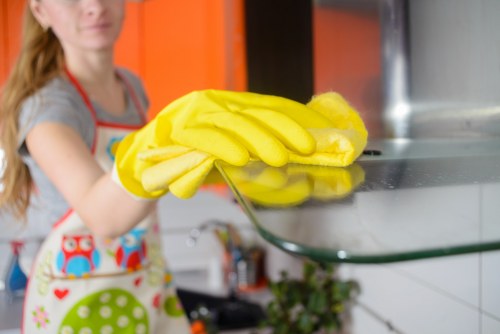
Professional upholstery cleaning is often the most effective way to deep clean furniture without risking damage. Trained specialists understand how to identify fabrics, select safe solutions, and use equipment designed to lift dirt from within the fibers. While methods may vary, most professional services rely on a combination of inspection, pre-treatment, cleaning, and drying.
Common professional methods include hot water extraction, low-moisture cleaning, dry cleaning, and specialized spot treatment. Each method is selected based on fabric type, level of soiling, and specific concerns like odor or staining. For example, hot water extraction can work well for durable fabrics that need deep soil removal, while dry cleaning may be better for delicate textiles that cannot tolerate excess moisture.
Professional upholstery cleaning also tends to be more efficient for busy households. Instead of spending hours trying different products with uncertain results, you can rely on a process tailored to your furniture. This is especially helpful if you have valuable pieces, antique chairs, sectional sofas, or fabrics that need extra care. If your furniture is heavily soiled or has stubborn odor issues, book your service now and restore it properly.
Hot Water Extraction
Hot water extraction uses a cleaning solution and controlled water application to loosen embedded debris. A powerful extraction tool then removes moisture, soil, and residue. This method is known for delivering strong results on many durable fabrics.
Dry Cleaning
Dry cleaning uses minimal moisture and specialized solvents. It is often chosen for delicate fabrics or upholstery that could shrink, warp, or stain if too much water is used.
Low-Moisture Encapsulation
Low-moisture methods are popular for routine maintenance because they dry faster and reduce the risk of over-wetting. This can be a smart choice for homes that need quicker turnaround times.
At-Home Upholstery Cleaning: What You Can Safely Do
Not every cleaning job requires professional intervention. There are several safe and effective steps homeowners can take between deep cleanings to maintain freshness and appearance. Basic upholstery cleaning at home usually starts with vacuuming, spot treating, and regular fabric care.
Vacuuming is the simplest and most important first step. Use an upholstery attachment to remove loose dirt, pet hair, and crumbs from the surface and seams. Pay special attention to crevices, under cushions, and around armrests. This routine alone can make a noticeable difference in how clean your furniture feels.
For small stains, use a mild, fabric-safe cleaner and a clean white cloth. Blot the area gently instead of rubbing, which can push the stain deeper or spread it further. Always work from the outside of the stain inward to avoid enlarging the spot. Then allow the area to dry fully before using the furniture again. These simple habits support better upholstery cleaning results and help prevent stain setting.
Safe Spot-Cleaning Tips
- Blot spills immediately
- Use minimal liquid
- Test any cleaner first
- Avoid harsh scrubbing
- Dry the area thoroughly
When in doubt, use a gentle approach. Over-wetting or using the wrong product can create more problems than the original stain. For stubborn or unknown marks, professional upholstery cleaning is often the safest choice.
How Often Should Upholstery Cleaning Be Done?
The right cleaning frequency depends on household activity, pet presence, fabric type, and lifestyle. A quiet home with minimal use may need less frequent care than a busy family room used daily by children and pets. As a general rule, upholstery cleaning should be part of a regular maintenance schedule rather than a once-in-a-blue-moon task.
Here is a practical schedule many homeowners can follow:
- Weekly: Vacuum upholstered furniture and remove visible crumbs or pet hair
- Monthly: Check for stains, rotate cushions, and spot treat minor marks
- Every 6 to 12 months: Arrange professional upholstery cleaning for most households
- Every 3 to 6 months: Consider deeper cleaning for homes with pets, children, or allergy concerns
Of course, this timeline can vary. Light-colored fabrics, high-traffic furniture, and homes with smokers or multiple pets may need more frequent attention. The best rule is to clean before dirt becomes visible and before odors have a chance to settle deep into the fibers. Regular upholstery cleaning is easier, safer, and more cost-effective than trying to repair neglected fabric later.
Stain Removal Techniques That Actually Work
Stains are one of the biggest reasons homeowners seek upholstery cleaning help. The sooner you treat a spill, the better the chance of removing it completely. However, different stains need different approaches, and using the wrong method can make things worse.
For food and beverage spills, blotting and gentle fabric-safe cleaning usually work best. Grease stains may require absorbent powders or specialized degreasers. Protein-based stains, such as milk or blood, need cool water and careful handling. Ink and dye transfer can be especially challenging and may require professional upholstery cleaning solutions.
Here are a few helpful stain-response rules:
- Act quickly before the stain dries
- Blot, never rub
- Use the correct cleaner for the fabric type
- Avoid soaking the cushion
- Allow full drying to prevent mildew or rings
Some stains are too stubborn for home treatment, and that is perfectly normal. Professional upholstery cleaning can often remove marks that seem permanent, especially when the fabric has not been damaged by harsh DIY attempts.
Odor Removal and Freshness Restoration
Even if furniture looks clean, it can still carry unpleasant odors. This is especially common in homes with pets, smokers, or heavy cooking activity. Upholstery cleaning is highly effective for odor control because it addresses the source rather than simply masking smells with fragrance.
Odors may be caused by food spills, body oils, pet accidents, smoke, or moisture trapped in cushions. Once these compounds settle into the fabric, they can linger for months if not properly treated. A surface spray might temporarily improve the smell, but true freshness comes from deep cleaning and proper extraction.
To support odor removal, professionals may use deodorizers, enzyme-based cleaners, or moisture-controlled cleaning systems. At home, regular vacuuming, airflow, and quick spill cleanup can reduce odor buildup over time. If your sofa, recliner, or dining chairs no longer smell fresh, a targeted upholstery cleaning treatment can make them feel new again.
Why Quick Drying Matters
Drying is a critical part of upholstery cleaning. Fabric that stays wet too long may develop mildew, water stains, or lingering smells. That is why controlled moisture and good ventilation matter so much during and after cleaning.
Benefits of Regular Upholstery Cleaning
The benefits of upholstery cleaning go beyond appearance. While a freshly cleaned couch certainly looks better, the real value extends into comfort, health, and furniture preservation. Regular cleaning helps your home feel more organized and cared for while also addressing hidden dirt and allergens.
Key benefits include:
- Improved indoor air quality
- Reduced dust and allergen buildup
- Better-looking furniture and décor
- Longer furniture lifespan
- Fewer lingering odors
- A cleaner, more welcoming living space
Another major benefit is confidence. When your furniture is clean, you can relax more comfortably, host guests more confidently, and enjoy your space without worrying about hidden grime. In many households, upholstery cleaning creates a noticeable difference in how the entire room feels.
How to Choose the Right Upholstery Cleaning Approach
Choosing the right approach depends on several factors, including fabric type, condition, stain severity, and cleaning goals. There is no single method that works perfectly for every piece of furniture. A careful assessment helps avoid damage and improves results.
Ask these questions before choosing a cleaning method:
- What is the fabric type and care code?
- Is the issue surface dust, deep soil, stain, or odor?
- Has the furniture been cleaned recently?
- Is the piece delicate, antique, or high value?
- Would low-moisture or dry cleaning be safer than wet cleaning?
If you are uncertain, professional upholstery cleaning is usually the safest path. Experts can evaluate the fabric and recommend a method that balances effectiveness with protection. That is especially important for specialty materials, textured weaves, and furniture with sentimental value.
When Professional Help Is the Best Option
Professional help is often the best option when you are dealing with deep-set odors, large stains, pet accidents, water marks, or delicate fabrics. It is also ideal when you want faster results with less guesswork.
Maintenance Tips to Keep Upholstery Cleaner for Longer
Once your furniture is clean, the goal is to keep it that way for as long as possible. A few consistent habits can dramatically slow down new dirt buildup and help preserve the results of upholstery cleaning.
Try these maintenance habits:
- Vacuum upholstered furniture weekly
- Rotate cushions to distribute wear evenly
- Address spills immediately
- Keep pets off furniture or use washable covers
- Use throws in high-use areas
- Limit eating on soft furniture when possible
- Open windows for airflow when weather allows
These small habits can make a big difference over time. They also reduce the frequency of deep cleaning and help preserve the color, texture, and comfort of your upholstery. When combined with periodic professional upholstery cleaning, they create a strong long-term care routine.
Why Upholstery Cleaning Is Worth the Investment
Some homeowners delay upholstery cleaning because they think it is optional or too expensive. In reality, regular care often saves money by extending the life of furniture and reducing the need for replacements. Clean furniture also contributes to a more pleasant, functional home environment.
When furniture is well maintained, it performs better in daily life. Cushions stay fresher, colors stay brighter, and fabrics remain more comfortable. That is especially important in households where sofas and chairs are used constantly. Rather than waiting until furniture looks obviously dirty, a proactive approach to upholstery cleaning keeps things looking their best year-round.
If you want your home to feel fresher, healthier, and more inviting, now is the time to make upholstery cleaning a priority. Whether you start with simple at-home maintenance or schedule a deep professional clean, the benefits are clear. Contact us today to take the next step toward cleaner furniture and a more comfortable living space.
Final thought: Upholstery cleaning is not just about removing stains. It is about preserving comfort, protecting your investment, improving cleanliness, and creating a home that feels cared for every day. With the right cleaning schedule and methods, your furniture can stay attractive, fresh, and welcoming for years to come.