Regular Cleaning in Modern Spaces: Why Consistent Cleaning Matters for Health, Appearance, and Longevity
Regular cleaning is one of the simplest ways to improve how a space looks, feels, and functions. Whether you manage a home, office, retail shop, apartment building, or shared facility, regular cleaning supports hygiene, comfort, and long-term upkeep. It is not only about making a room look neat for a moment; it is about creating a healthier environment that stays cleaner for longer.
Many people underestimate the value of routine cleaning because the results can seem subtle at first. Over time, however, the benefits become clear. Dust, grime, allergens, bacteria, and stains build up quickly when surfaces are ignored. By staying consistent with regular cleaning, you reduce the risk of unpleasant odors, protect materials from premature wear, and help everyone in the space breathe easier.
In today’s busy world, people want environments that are both attractive and practical. That is why regular cleaning has become a priority in homes and businesses alike. It supports productivity, improves first impressions, and can even save money by extending the life of furniture, flooring, appliances, and fixtures.
Why Regular Cleaning Is Essential for Every Space
Regular cleaning is essential because dirt does not wait. Every day, people track in dust, particles, and debris from outside. Kitchens accumulate grease, bathrooms collect moisture, and high-touch areas gather germs. Without a dependable cleaning routine, these small issues become larger problems that are harder and more expensive to fix later.
One of the biggest advantages of regular cleaning is prevention. Instead of allowing buildup to harden or spread, frequent attention keeps surfaces manageable. This is especially important in areas with heavy traffic, where constant use creates visible wear. A consistent schedule helps maintain a fresh appearance while reducing the need for deep restoration later.
For businesses, regular cleaning can affect how customers perceive the brand. A clean lobby, dust-free shelves, and polished floors signal professionalism and care. For households, it creates a more relaxed atmosphere and makes daily routines easier. People spend less time searching for things, moving clutter, or reacting to messes when the space is maintained regularly.
Health Benefits of Regular Cleaning
One of the strongest reasons to prioritize regular cleaning is health. Dust, pollen, pet dander, and other airborne particles can collect on surfaces and circulate through the air. For people with allergies, asthma, or sensitivities, this can make a noticeable difference in comfort and breathing quality. Routine dusting, vacuuming, and disinfecting help reduce those triggers.
Regular cleaning also lowers the presence of bacteria and viruses on frequently touched surfaces. Doorknobs, desks, switches, counters, and handles are common transfer points for germs. While no cleaning routine can eliminate every risk, a consistent cleaning schedule significantly improves sanitation and supports a healthier environment for everyone inside the space.
Moisture control is another major health benefit. Bathrooms, kitchens, laundry areas, and basements are prone to mold and mildew if they are not cleaned often enough. Regular attention to these areas keeps moisture from lingering and helps prevent musty odors and potential respiratory issues.
Common health-focused tasks in regular cleaning
- Dusting hard surfaces and electronics
- Vacuuming carpets and rugs
- Wiping down counters, handles, and switches
- Cleaning sinks, toilets, and shower areas
- Mopping floors to remove residue and spills
How Regular Cleaning Improves Appearance and Comfort
A clean environment instantly feels more welcoming. Regular cleaning helps maintain that polished feeling day after day rather than only after a major cleanup. Floors stay brighter, surfaces look newer, and rooms feel more open and organized. Even small cleaning tasks can dramatically improve the overall atmosphere of a home or commercial property.
Comfort is closely tied to cleanliness. People tend to relax more easily in spaces that smell fresh, look tidy, and feel under control. Clutter and grime can create subconscious stress, while regular cleaning supports a sense of order. This matters at home, where people want rest, and at work, where focus and confidence are important.
Appearance also affects how long a space can maintain its value. Regular cleaning protects finishes from staining, discoloration, and permanent damage. Wood, tile, upholstery, stainless steel, and glass all benefit from ongoing care. The cleaner the space remains, the less likely it is that expensive repairs or replacements will be needed.
Visual benefits you can expect
- Brighter floors and surfaces
- Reduced dust buildup on furniture
- Cleaner air vents and corners
- Fewer stains and spots
- A more organized overall look
Regular Cleaning and Long-Term Property Maintenance
Regular cleaning is not just about presentation; it is also a maintenance strategy. Dirt acts like an abrasive material on many surfaces. When it is left in place, it can scratch flooring, dull finishes, and wear down protective coatings. By cleaning consistently, you help preserve materials and keep them functioning as intended.
Appliances and fixtures also last longer when they are cared for routinely. Kitchen appliances, for example, work more efficiently when grease, crumbs, and residue are removed regularly. Similarly, plumbing fixtures are less likely to develop buildup when sinks and drains are maintained. These are small tasks, but they contribute to long-term reliability.
In commercial settings, regular cleaning can reduce the need for costly emergency services. Spills addressed immediately are easier to remove. Dust managed weekly is less likely to impact equipment. Floors polished and maintained properly can avoid premature refinishing. In other words, a little consistency goes a long way.
Maintenance areas that benefit most
Floors, counters, appliances, windows, upholstery, vents, and bathrooms all require ongoing attention. When these areas are part of a regular cleaning plan, they remain functional and attractive for much longer. That makes routine upkeep one of the smartest investments for any property owner or manager.
Creating an Effective Regular Cleaning Routine
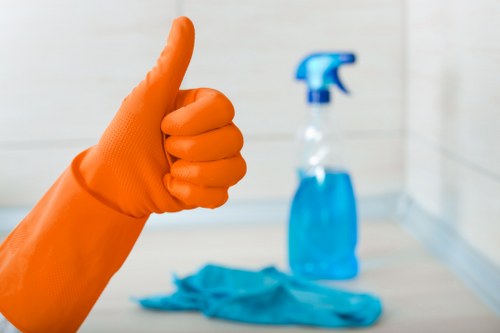
Building a practical routine is the key to making regular cleaning sustainable. The best plan is one that fits the size of the space, the level of traffic, and the needs of the people using it. A routine should be realistic, consistent, and easy to follow. If it is too complicated, it may not last. If it is too minimal, important tasks can be missed.
A helpful approach is to divide cleaning into daily, weekly, and monthly tasks. Daily tasks may include wiping counters, sweeping entrances, and taking out trash. Weekly tasks often cover vacuuming, mopping, changing linens, and disinfecting high-touch surfaces. Monthly tasks may involve deep-cleaning appliances, washing baseboards, or organizing storage areas.
When regular cleaning is structured this way, it becomes much easier to manage. Instead of trying to do everything at once, responsibilities are spread out in a way that prevents overwhelm. This also makes it easier for families, staff members, or property teams to stay consistent.
Sample regular cleaning schedule
- Daily: Tidy surfaces, spot-clean spills, empty bins, and sanitize key touchpoints
- Weekly: Vacuum, mop, dust, clean bathrooms, and wipe appliances
- Monthly: Clean vents, wash windows, deep-clean storage areas, and inspect problem spots
- Seasonal: Refresh carpets, clean behind furniture, and review areas that need extra care
Regular Cleaning in Homes
At home, regular cleaning keeps daily life smoother and more enjoyable. Kitchens stay ready for cooking, bathrooms remain comfortable for family and guests, and living areas feel calmer when clutter is managed. A well-maintained home also supports better routines because people waste less time dealing with messes or searching for lost items.
Families often benefit from shared responsibilities. When everyone contributes to regular cleaning, the workload becomes lighter and the results improve. Children can help with age-appropriate tasks such as putting away toys, wiping surfaces, or sorting laundry. This creates good habits and helps everyone value the space they live in.
Home cleaning does not need to be overwhelming. In fact, the most effective approach is usually a steady one. A few minutes every day can prevent bigger chores from piling up. This makes the home easier to maintain while leaving more time for work, rest, and family activities.
Helpful home cleaning priorities
- Kitchen counters and sinks
- Bathroom fixtures and mirrors
- High-traffic floors and entryways
- Bedroom dusting and laundry
- Living room surfaces and upholstery
Regular Cleaning in Offices and Workplaces
In offices, regular cleaning supports employee well-being and professional image. A tidy workplace helps people focus better and creates fewer distractions. Clean desks, organized shared spaces, and well-maintained restrooms all contribute to a more productive environment. Employers who invest in regular cleaning often notice a stronger sense of morale and order.
Workplaces also face unique sanitation needs because many people use the same surfaces throughout the day. Shared keyboards, meeting tables, break rooms, and door handles can become high-risk zones for germs. Regular cleaning reduces those risks and shows that the organization values the health of its team and visitors.
For customer-facing businesses, cleanliness can influence trust. Clients are more likely to feel confident in a company that keeps its space neat and organized. Whether it is a reception area, showroom, clinic, or storefront, regular cleaning supports the kind of environment that leaves a positive impression.
Office cleaning priorities
- Sanitize desks and shared surfaces
- Empty bins and manage waste properly
- Vacuum carpets and clean hard floors
- Disinfect kitchens and break areas
- Maintain restrooms throughout the day
Regular Cleaning for Commercial and Shared Properties
Shared properties require even more attention because many people interact with the same surfaces. Apartment complexes, medical buildings, schools, gyms, and retail centers all depend on regular cleaning to stay safe and attractive. In these spaces, cleaning is not only about appearance but also about public health and operational efficiency.
Because traffic is higher, buildup happens faster. Floors need more frequent care, waste areas require reliable attention, and restrooms must be cleaned on a dependable schedule. Strong regular cleaning systems help reduce complaints, improve safety, and support a better experience for everyone who uses the property.
Property managers often find that investing in regular cleaning reduces larger issues down the line. For example, removing grime early can prevent staining. Addressing spills quickly can prevent slips. Keeping common areas clean can also discourage pests and reduce odors. These benefits help protect both people and property value.
Why shared spaces need stricter routines
Shared environments naturally collect more dirt and germs because more people come and go throughout the day. That is why regular cleaning must be more frequent, more structured, and more attentive in these settings.
Best practices for shared properties
- Use a visible cleaning schedule
- Focus on entrances and high-touch areas
- Inspect washrooms regularly
- Respond quickly to spills and messes
- Track recurring problem spots
Choosing the Right Cleaning Products and Tools
The success of regular cleaning depends partly on the tools and products used. Not every surface needs the same treatment, and using the wrong cleaner can cause damage or leave residue behind. Choosing suitable supplies helps make cleaning safer, more effective, and more efficient.
Microfiber cloths, quality vacuums, mops designed for the floor type, and gentle but effective cleaning solutions are often the best place to start. It is also important to read labels and follow safety instructions. Some products are meant for disinfecting, while others are better suited for lifting grease or polishing surfaces.
For environmentally conscious households and businesses, regular cleaning can also include eco-friendly choices. Many people now prefer biodegradable products, refillable containers, and low-odor formulas. These options can reduce chemical exposure while still supporting a high standard of cleanliness.
Smart product selection tips
- Match the cleaner to the material
- Use microfiber for dust and polishing
- Choose pH-appropriate products for sensitive surfaces
- Keep disinfectants for high-touch sanitation
- Store supplies safely and clearly labeled
Common Mistakes to Avoid with Regular Cleaning
Even with good intentions, some people make mistakes that reduce the effectiveness of regular cleaning. One common problem is skipping maintenance until the mess becomes too large. Another is using too much product, which can leave sticky residue that attracts more dust. Ignoring hidden areas, such as behind appliances or under furniture, can also allow buildup to spread.
Rushing through the process is another issue. Regular cleaning works best when tasks are completed carefully and consistently. Wiping a counter without removing crumbs first, for instance, may not fully clean the surface. A thoughtful method saves time later and produces better results.
It is also important not to overlook hygiene tools themselves. Sponges, cloths, mop heads, and vacuum filters need maintenance too. If these items are dirty, they may spread contamination instead of removing it. A good routine includes caring for the tools used in the routine.
How Professional Cleaning Services Support Regular Cleaning
Many homes and businesses choose professional help to keep regular cleaning consistent and thorough. Professional teams bring experience, specialized equipment, and efficient systems that can handle routine upkeep as well as deeper tasks. This support is especially valuable for busy households or properties with high traffic.
Professional services can fill gaps where time, staffing, or expertise may be limited. They help ensure that regular cleaning does not fall behind during busy periods, seasonal changes, or unexpected events. With the right support, a property can stay clean, presentable, and easier to manage throughout the year.
For many people, combining in-house upkeep with professional assistance creates the best results. Daily attention handles the basics, while scheduled professional care addresses deeper needs. This balanced approach helps keep the environment in excellent condition without creating unnecessary pressure on one person or team.
Benefits of adding professional support
- More consistent results
- Less strain on staff or family members
- Access to better tools and techniques
- Improved hygiene in high-use areas
- Greater long-term protection for surfaces
Final Thoughts on the Value of Regular Cleaning
Regular cleaning is one of the most practical habits any home, office, or shared property can adopt. It improves health, protects surfaces, supports comfort, and enhances the overall experience of everyone who uses the space. When cleaning is done consistently, the results are visible not only in appearance but also in the way a space feels and functions.
From reducing germs to extending the life of flooring and furniture, the benefits of regular cleaning are broad and lasting. It does not have to be complicated to be effective. A simple, reliable routine can prevent bigger problems and make daily life much easier. The key is consistency, attention, and the willingness to stay ahead of messes instead of reacting to them later.
If you want a cleaner, healthier, and more inviting environment, now is the time to make regular cleaning a priority. Contact us today to keep your space looking its best, or book your service now and stay ahead of dust, dirt, and buildup with a dependable cleaning plan.